King Philippe makes first public journey through Antwerp’s Scheldt Tunnel
The 1.8-kilometre tunnel is being built by joint venture TM COTU, on behalf of Lantis, the Flemish public agency in charge of mobility in Antwerp. It will provide a third crossing of the Scheldt and help complete the Antwerp Ring to the north.
BESIX at the heart of the Scheldt Tunnel
At the heart of BESIX’s contribution to the Scheldt Tunnel is its civil engineering expertise. Since 2020, BESIX has been delivering the project within TM COTU alongside Stadsbader Contractors, DEME and Jan De Nul. The project also draws on specialist capabilities from across BESIX Group, with BESIX Infra delivering road works, BESIX Unitec responsible for technical installations, and Franki Foundations and BESIX Steel & Formwork contributing their respective expertise.
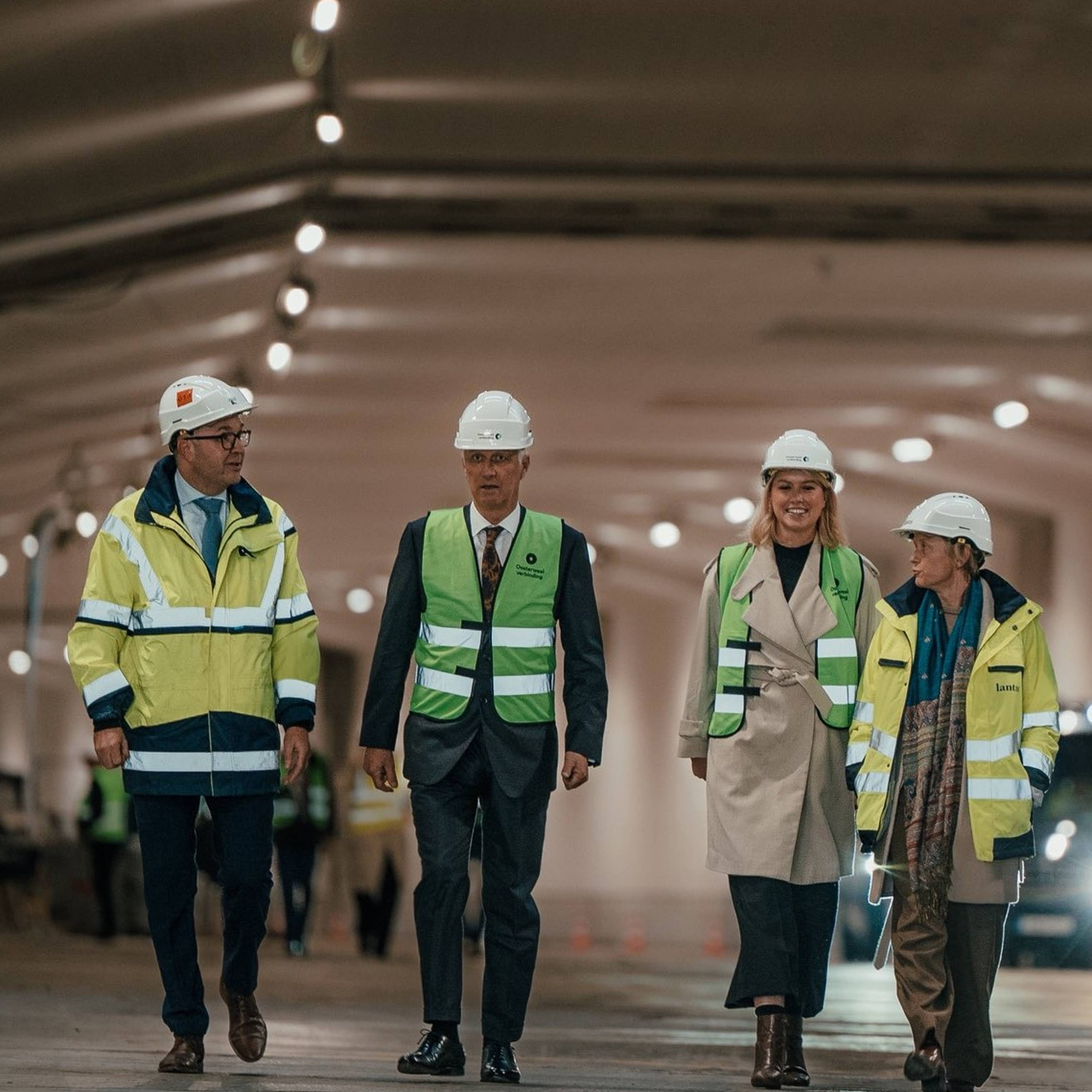
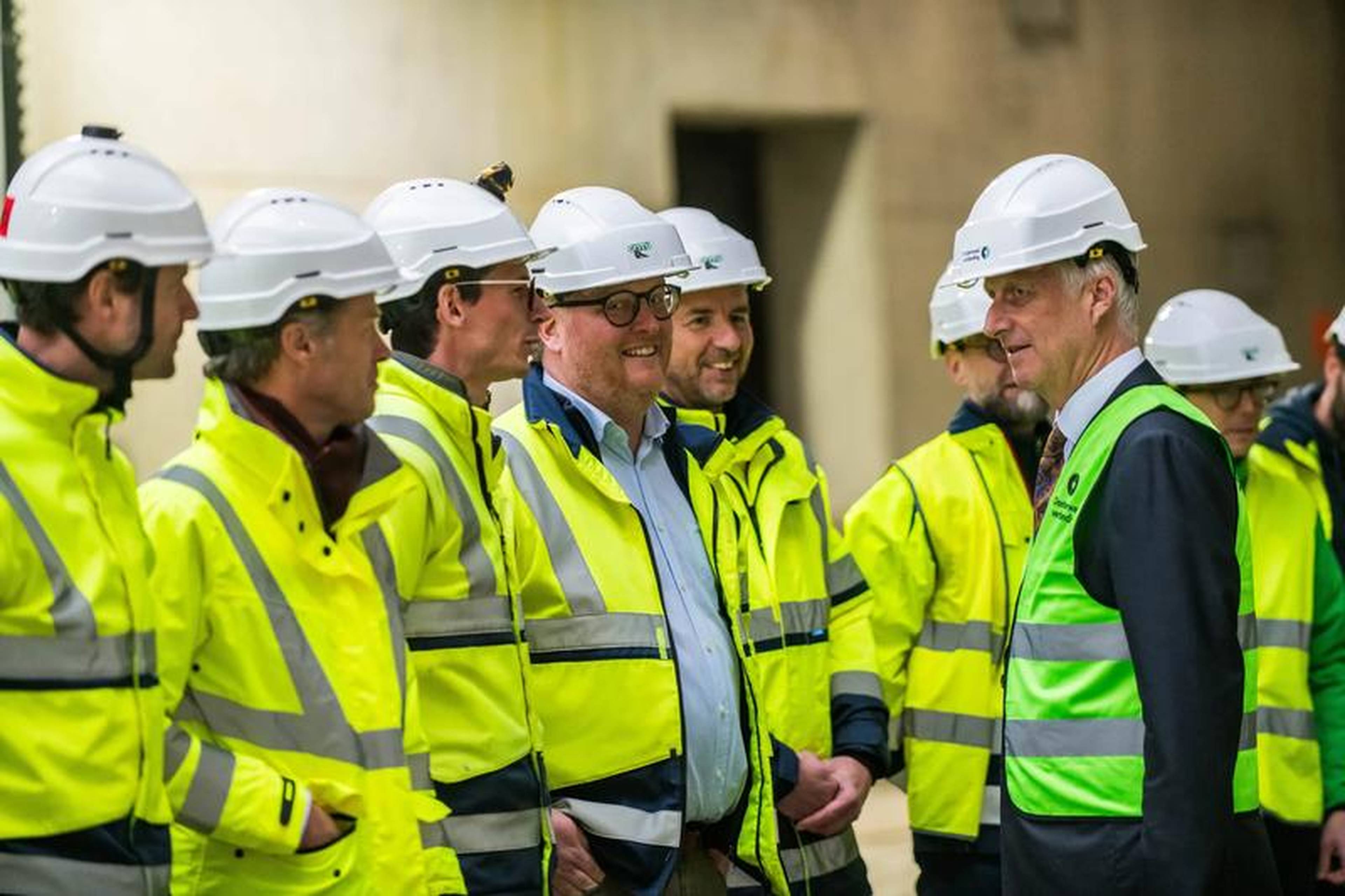
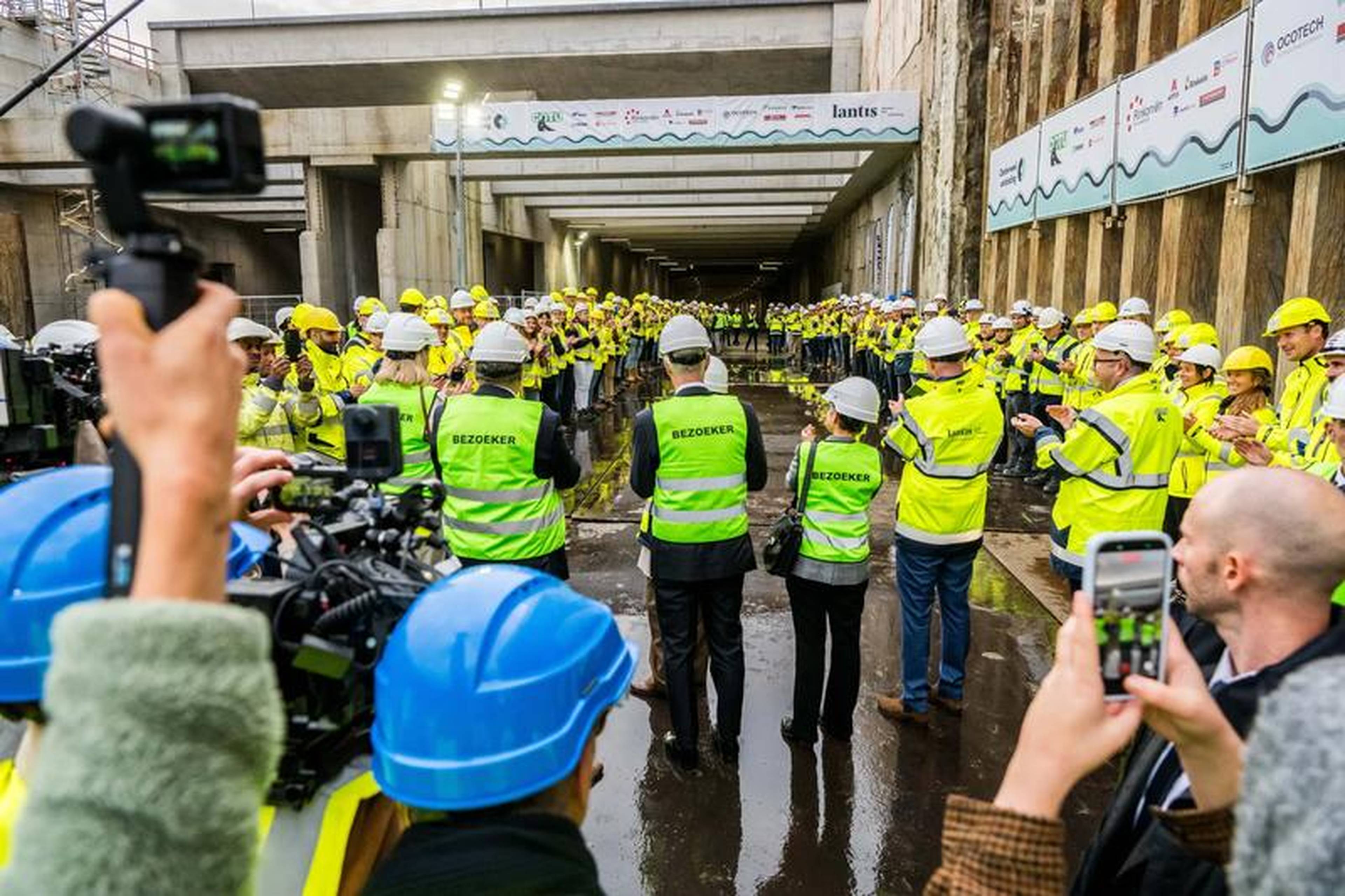
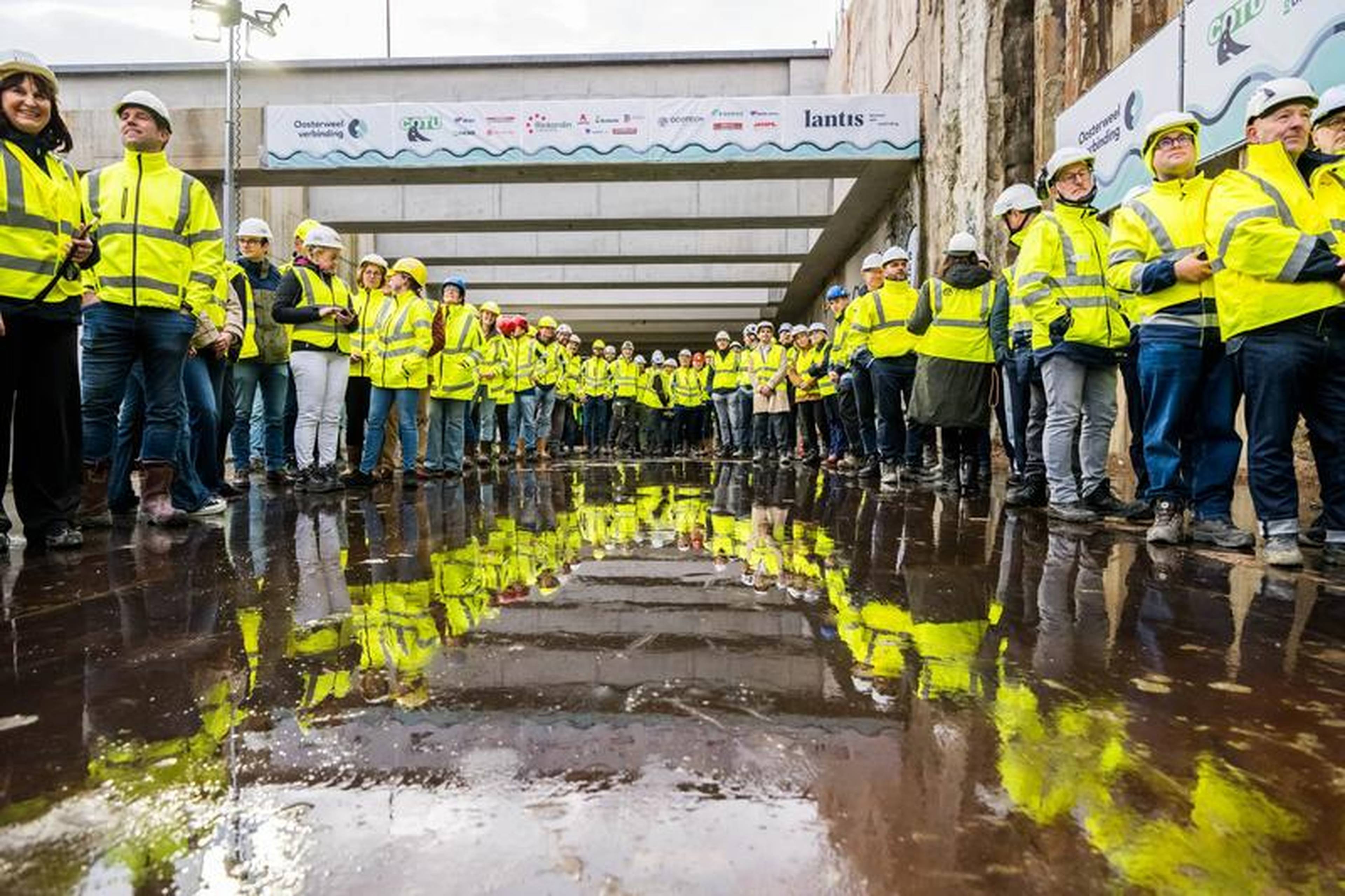
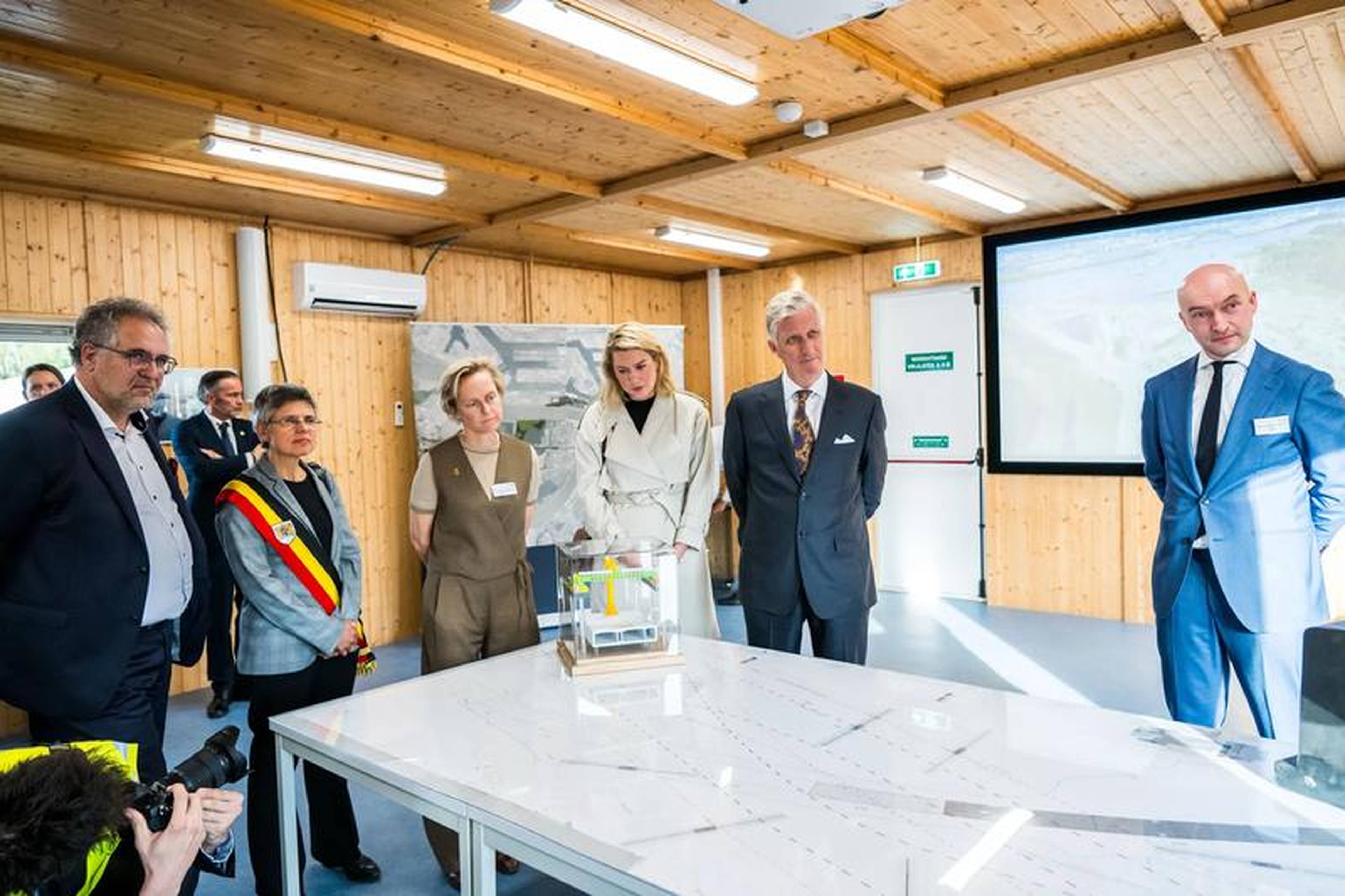
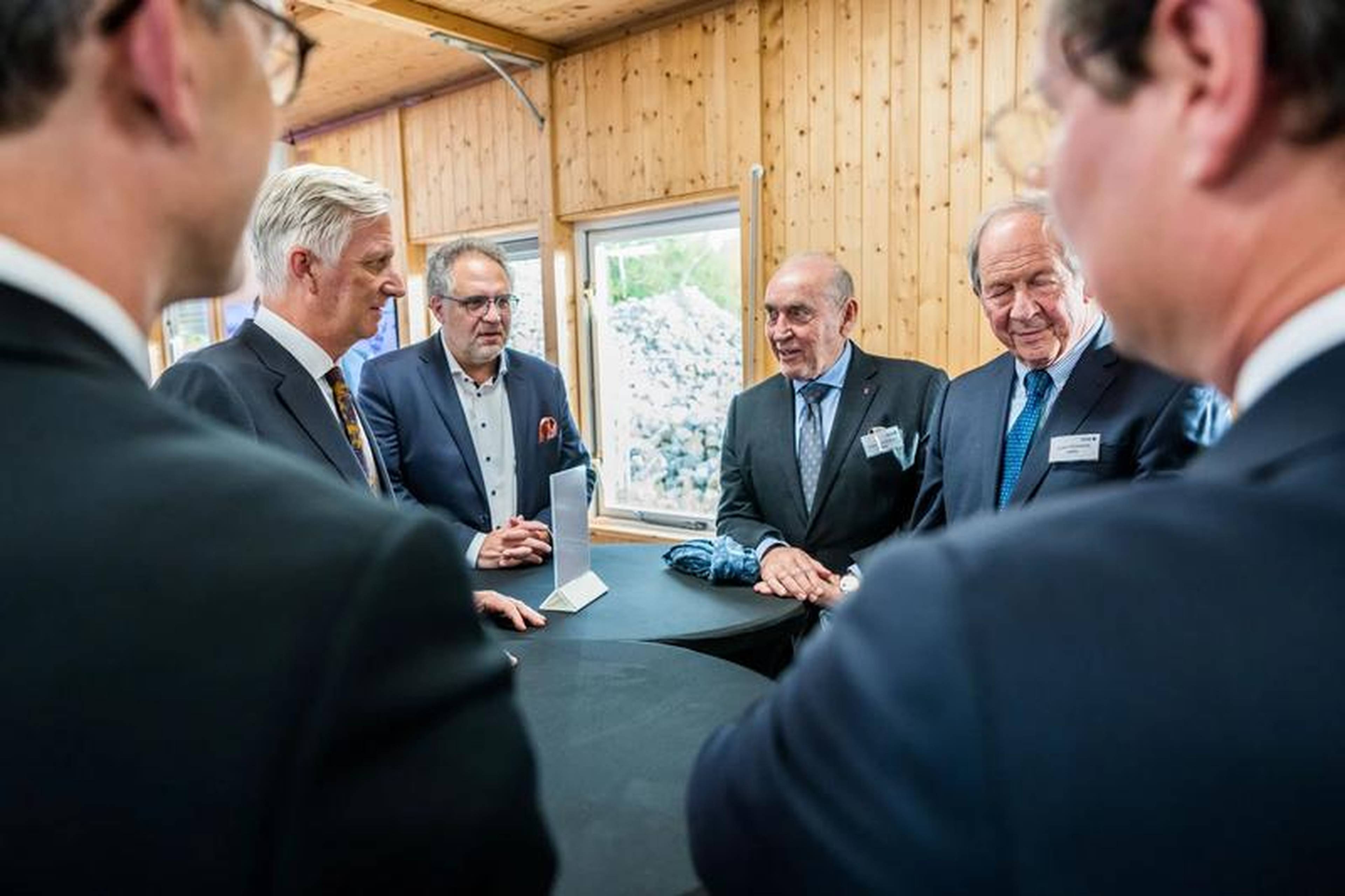
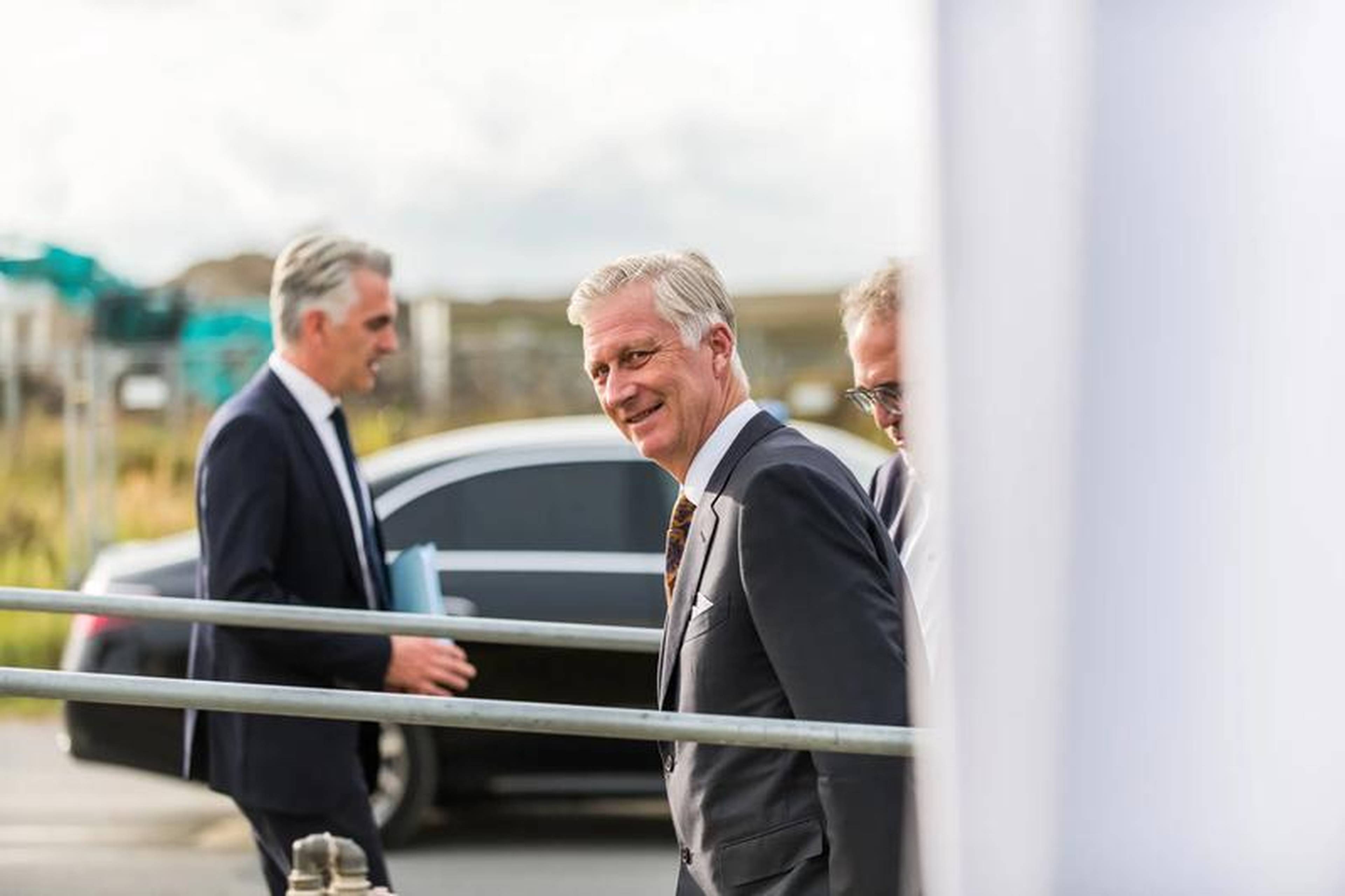
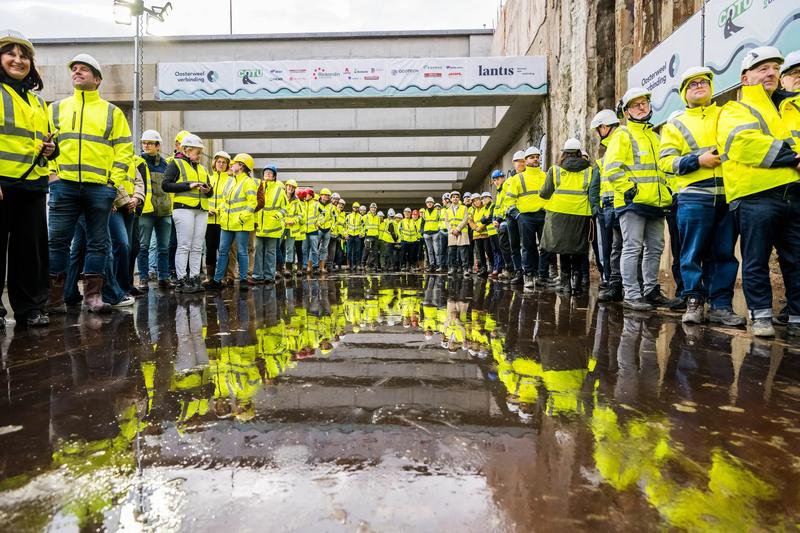
Before entering the tunnel, Project Director Jan Bauwens briefed the King on the Scheldt Tunnel and explained the immersion process used to construct it. He then joined the King, Minister Annick De Ridder and Lantis CEO Bram Vandenboom for the journey through the tunnel, providing further explanations along the way. The visit ended on the Right Bank, where King Philippe met people working on the Scheldt Tunnel and Oosterweel interchange.
Eight tunnel elements beneath the River Scheldt
The journey followed the installation of eight prefabricated concrete elements beneath the river. Each element measures approximately 160 metres long, 42 metres wide and 10 metres high, and weighs around 60,000 tonnes. Together, the eight elements form almost 1.3 kilometres of the tunnel.
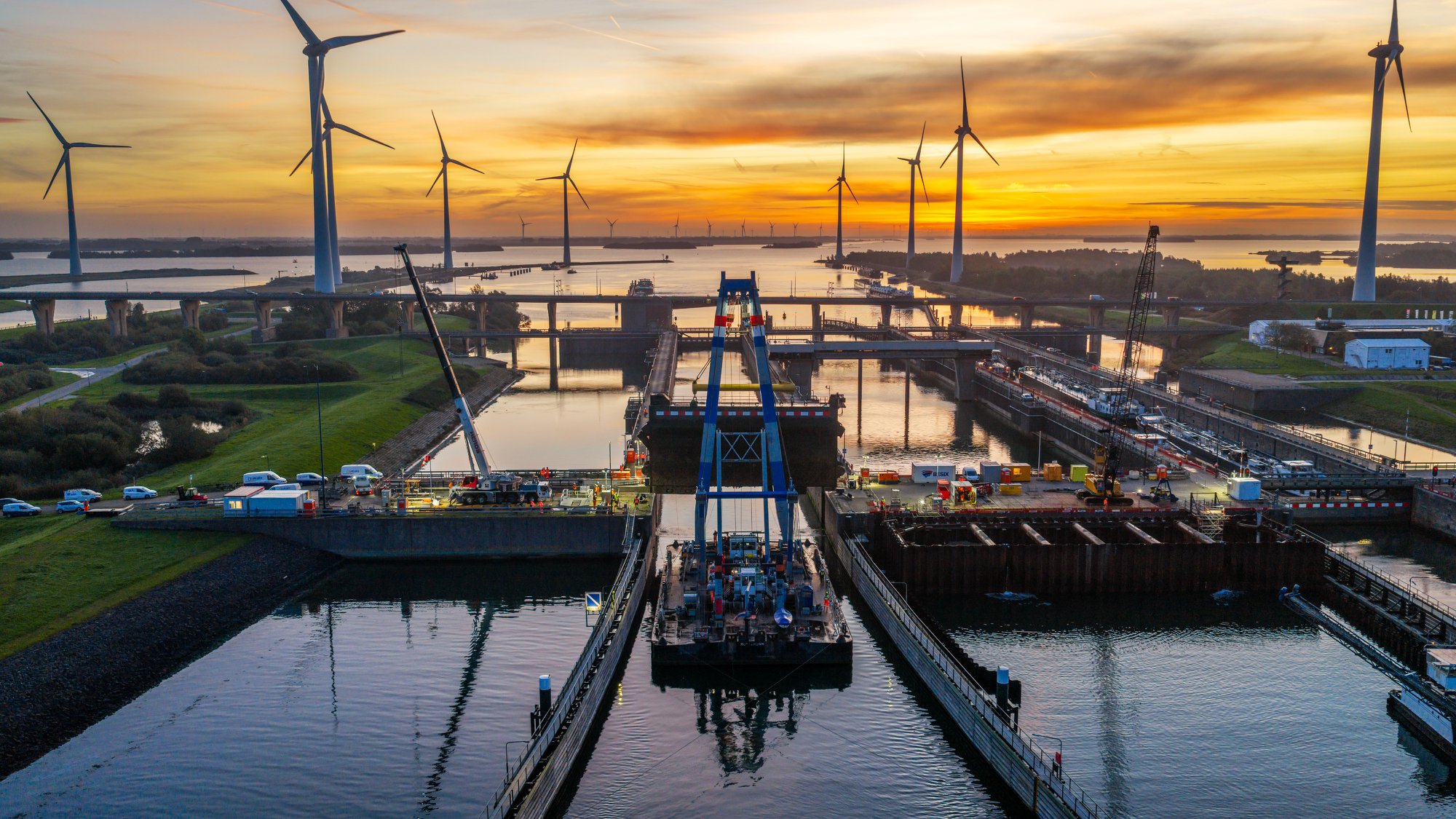
With insufficient space in Antwerp for a construction dock large enough to accommodate all eight elements, they were built in a purpose-built dry dock in Zeebrugge. From there, they travelled more than 100 kilometres by water to Antwerp before being immersed in the Scheldt. The final element was installed with just 25 centimetres of clearance and a positioning tolerance of 35 millimetres.
Work now continues on the road surface, technical systems and other works ahead of the tunnel opening to cyclists in 2028 and motor traffic in 2030.